


Mahakal: The Sovereign Lord of Time
Beyond mortality and cosmic cycles: why Mahakaleshwar anchors the Indian spiritual consciousness
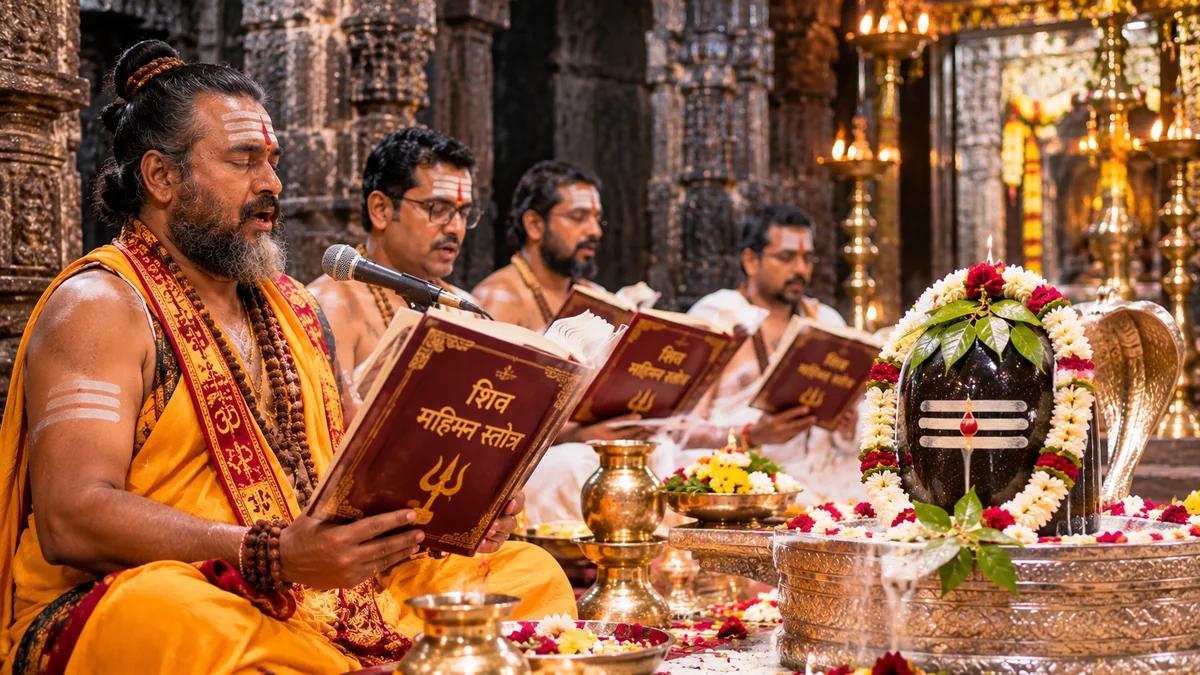
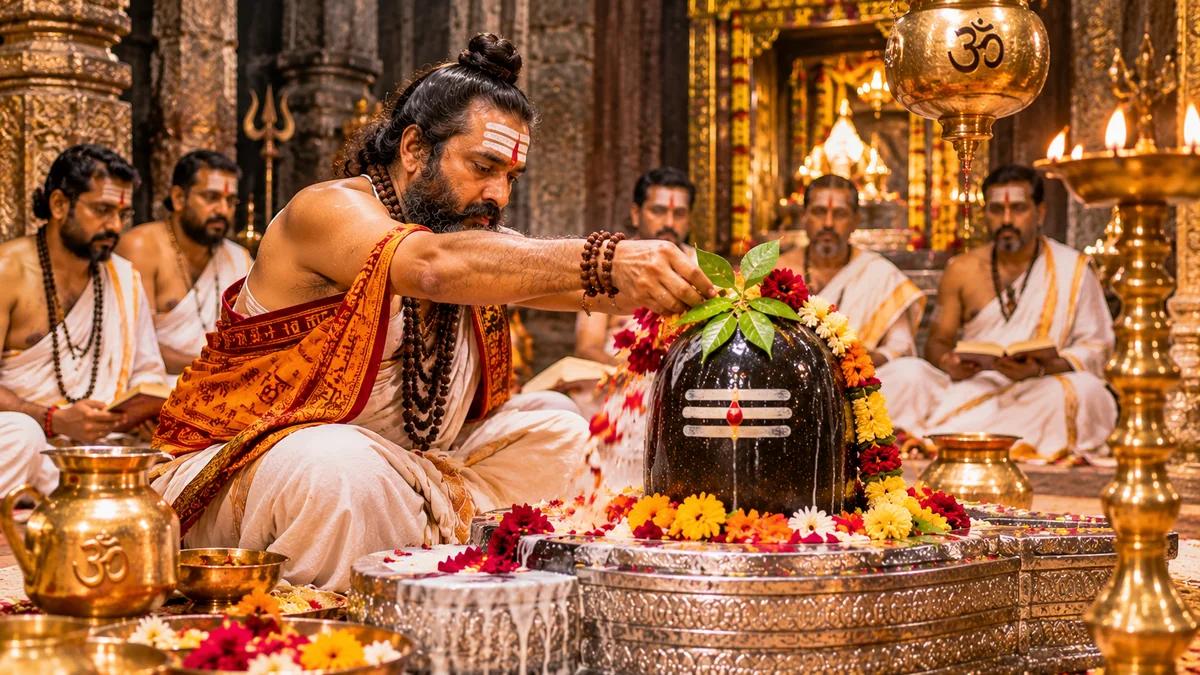
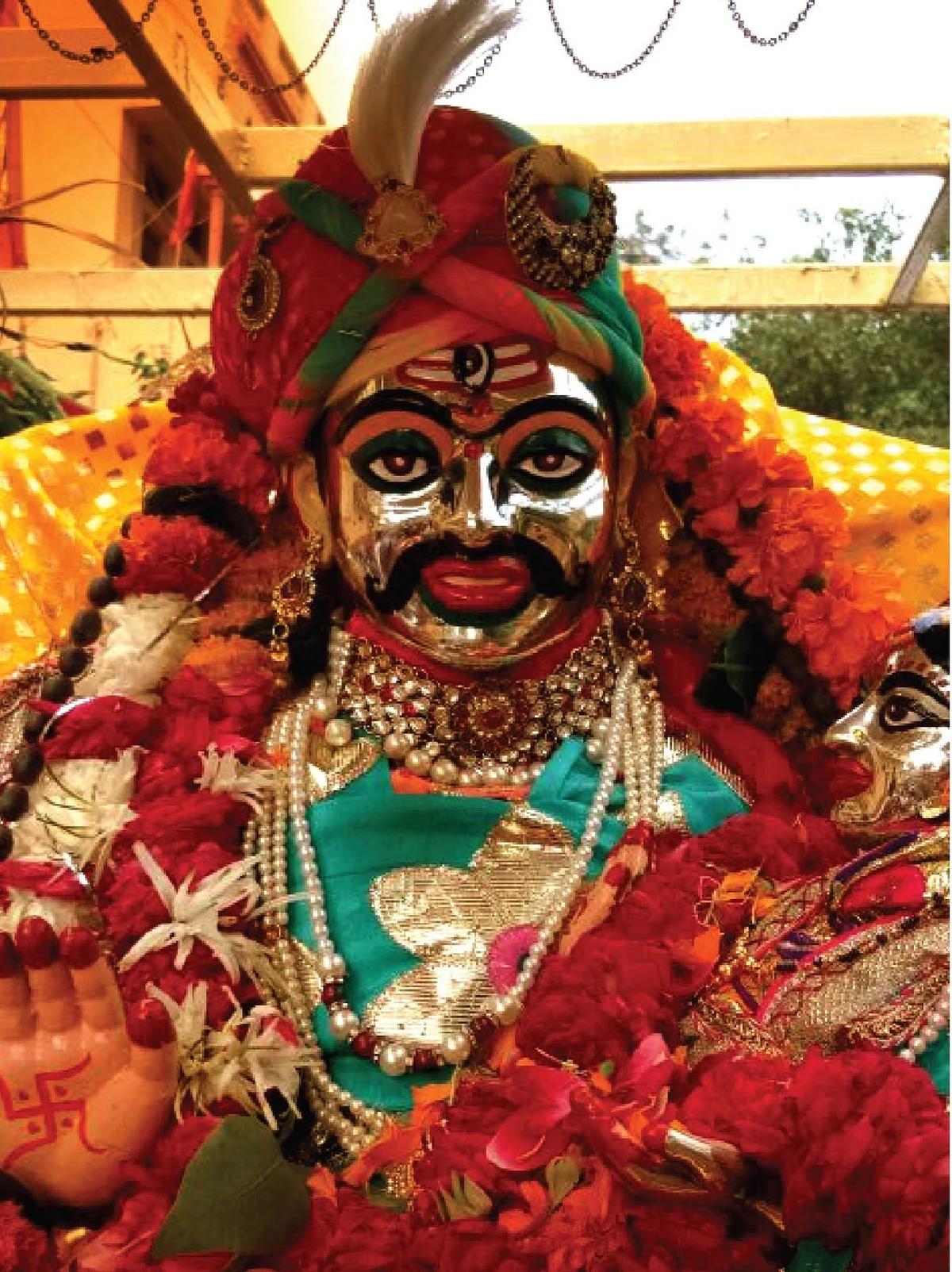
To step into Ujjain is to encounter a city where time is not measured merely in hours or calendar leaves, but in cosmic yugas. The name Mahakala carries a deliberate, profound duality in Sanskrit grammar: "Kala" signifies both time and death, while the prefix "Maha" denotes the sovereign authority that encompasses, governs, and ultimately dissolves them. In Indian thought, time is neither a relentless straight line nor a cruel tyrant; it is the rhythmic unfolding of consciousness, continuously generating forms only to reabsorb them into stillness.
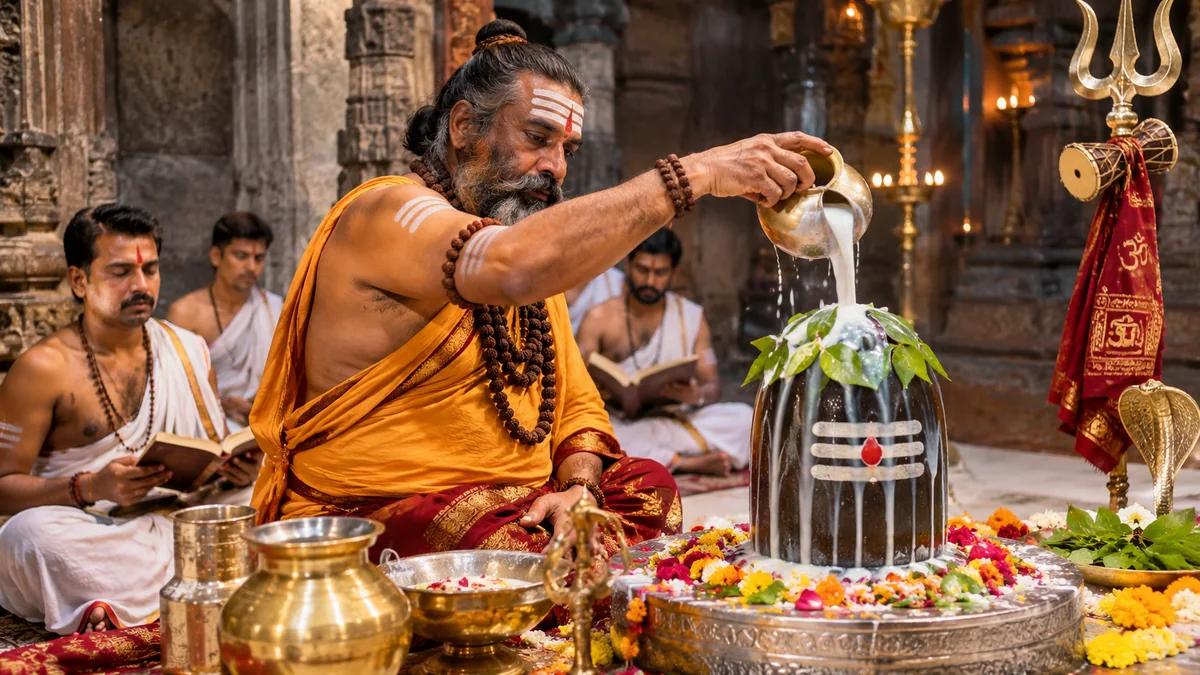
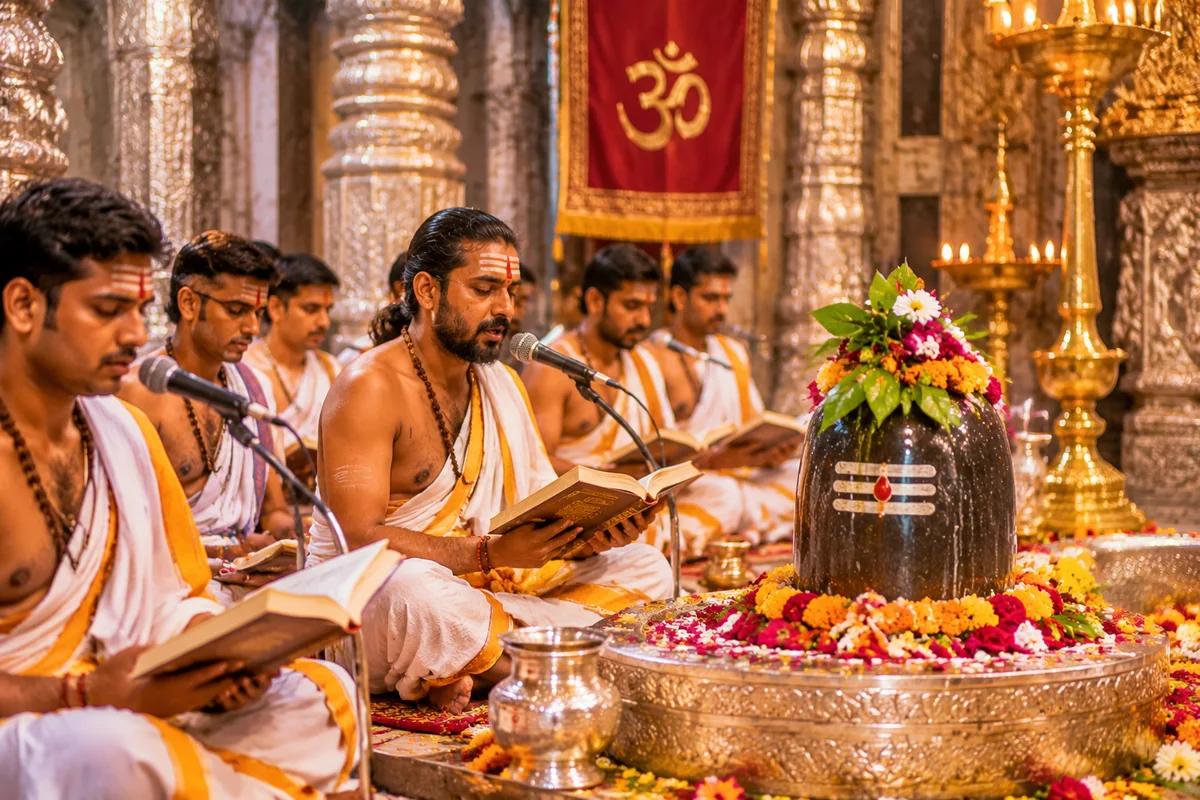
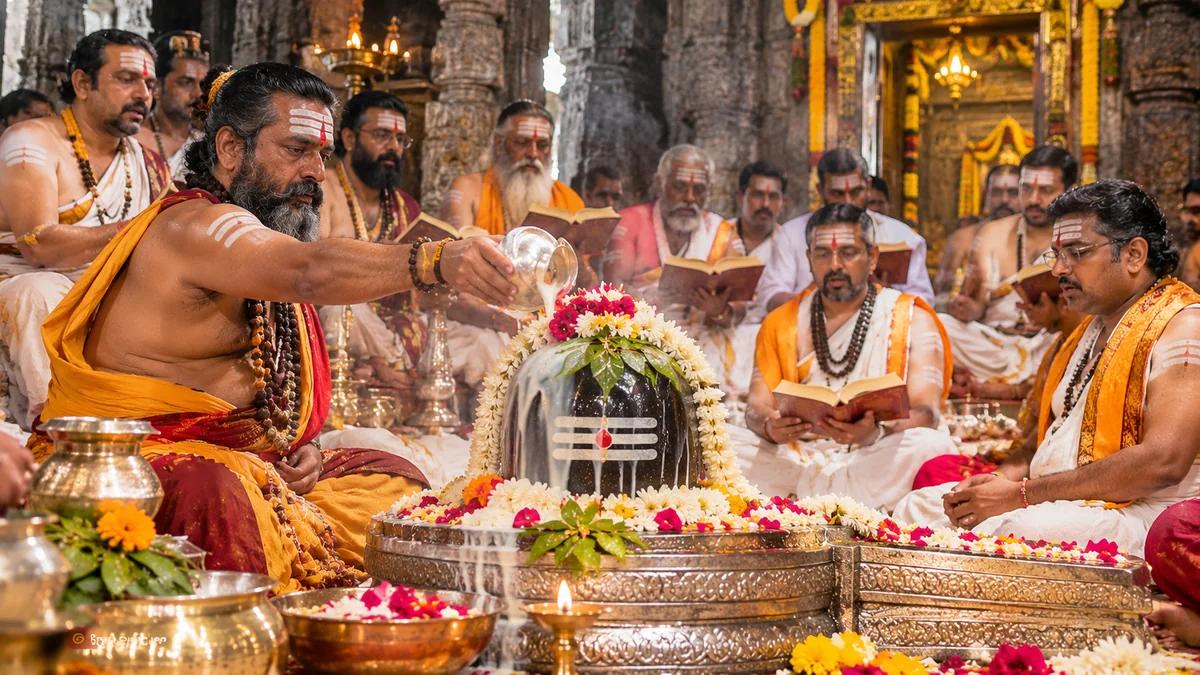
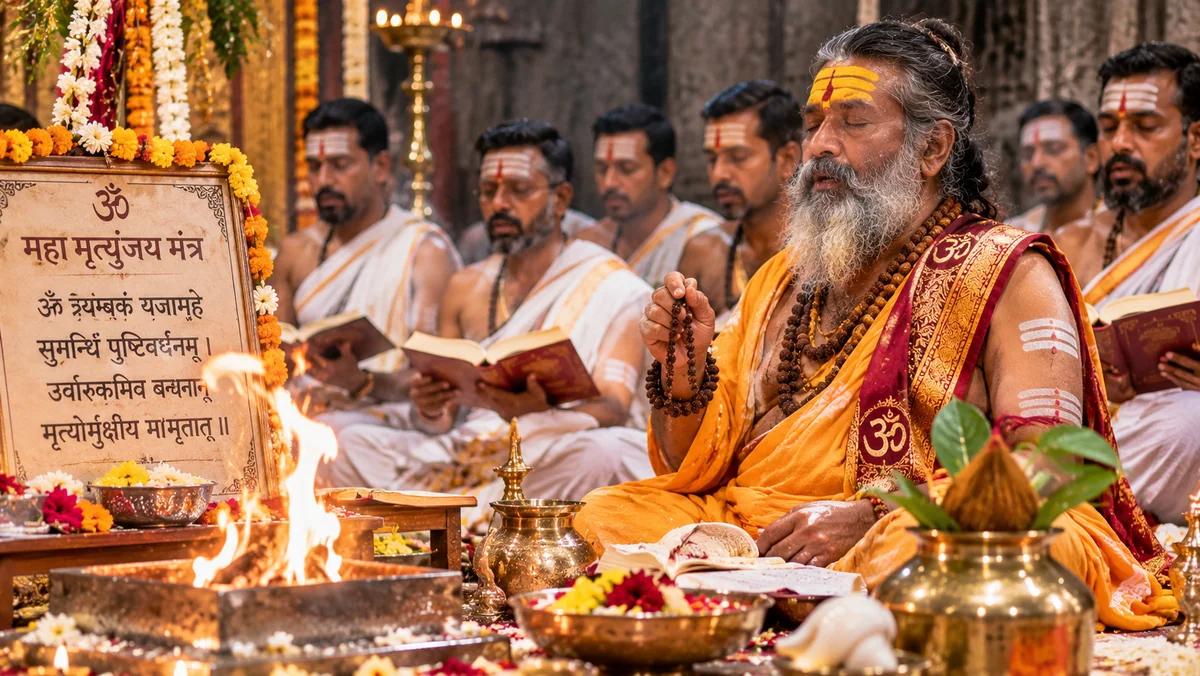
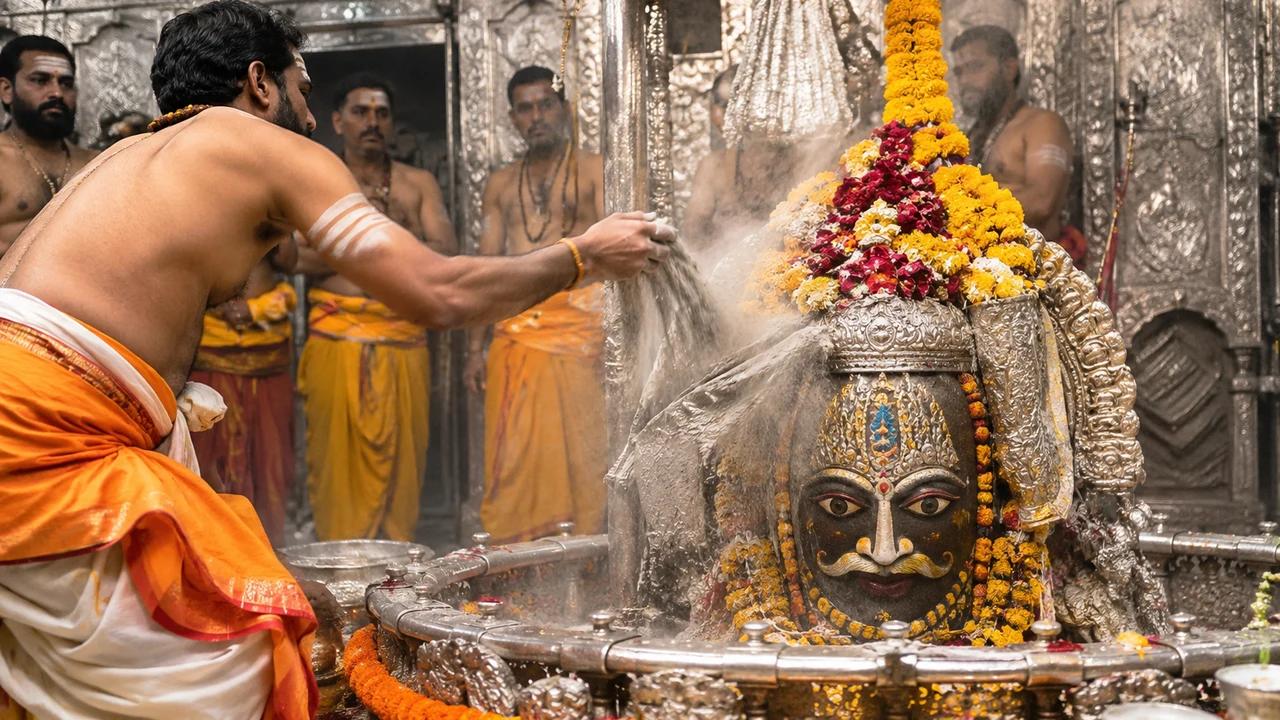
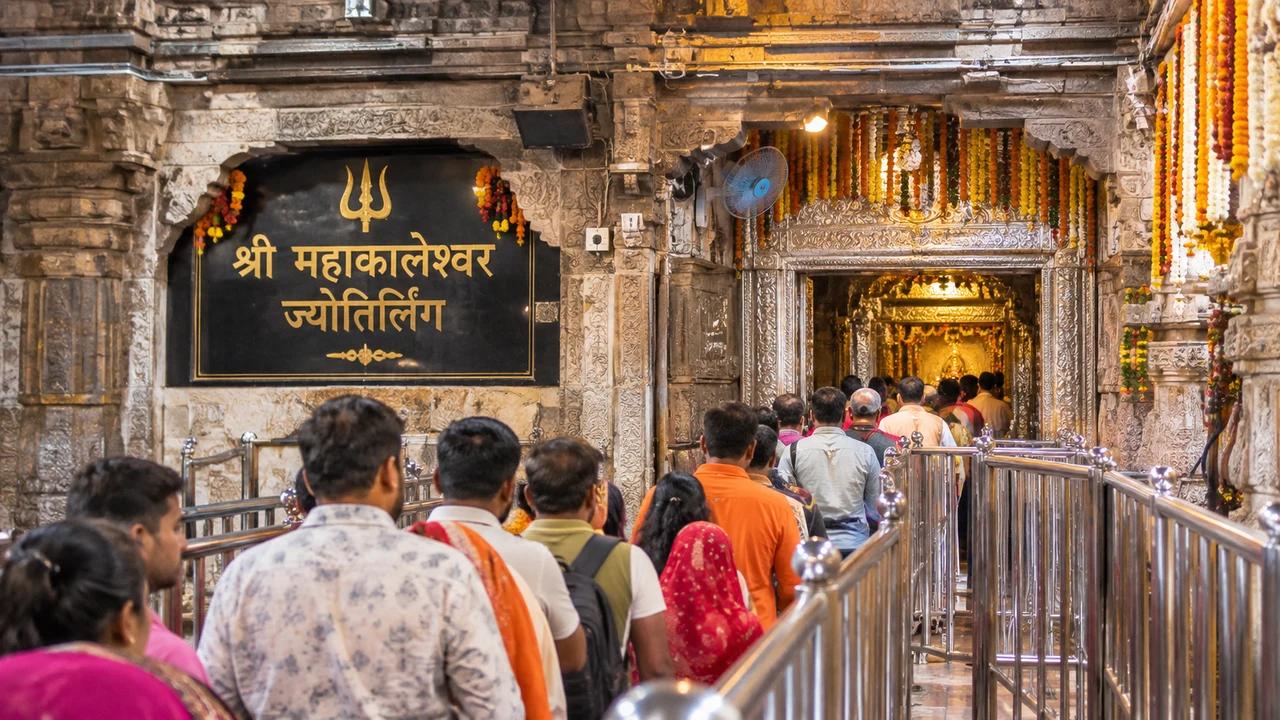
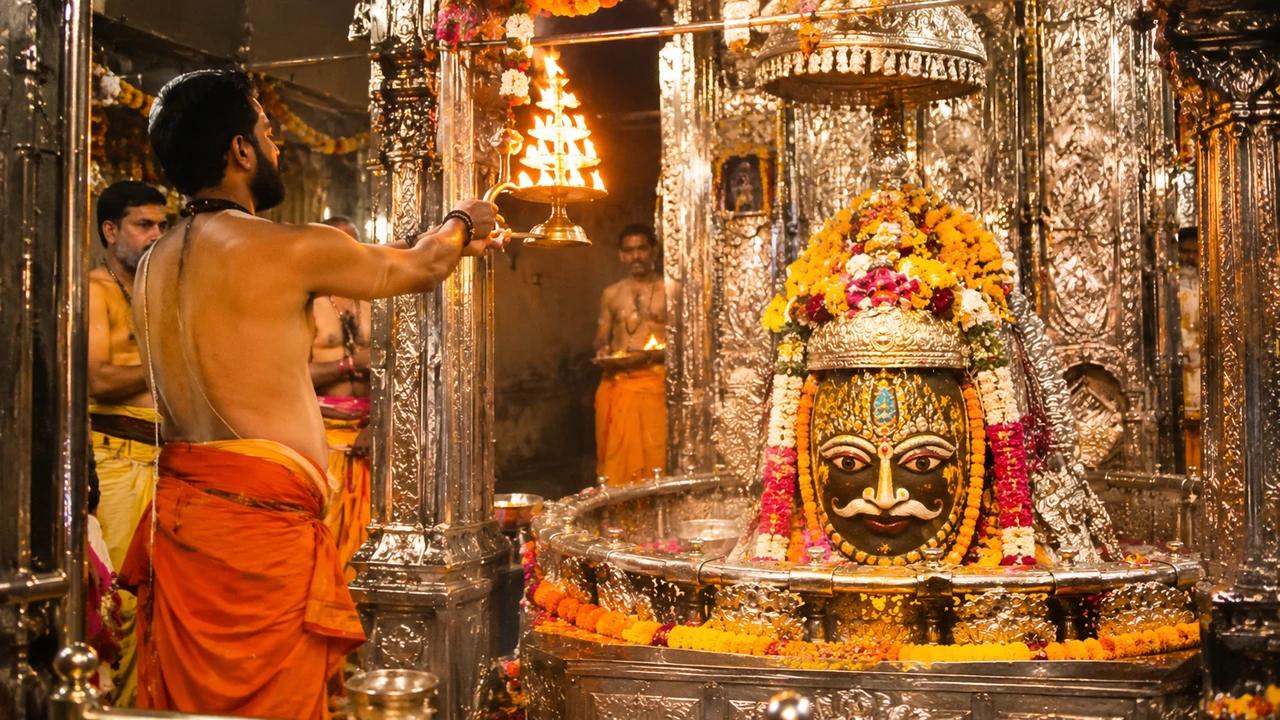
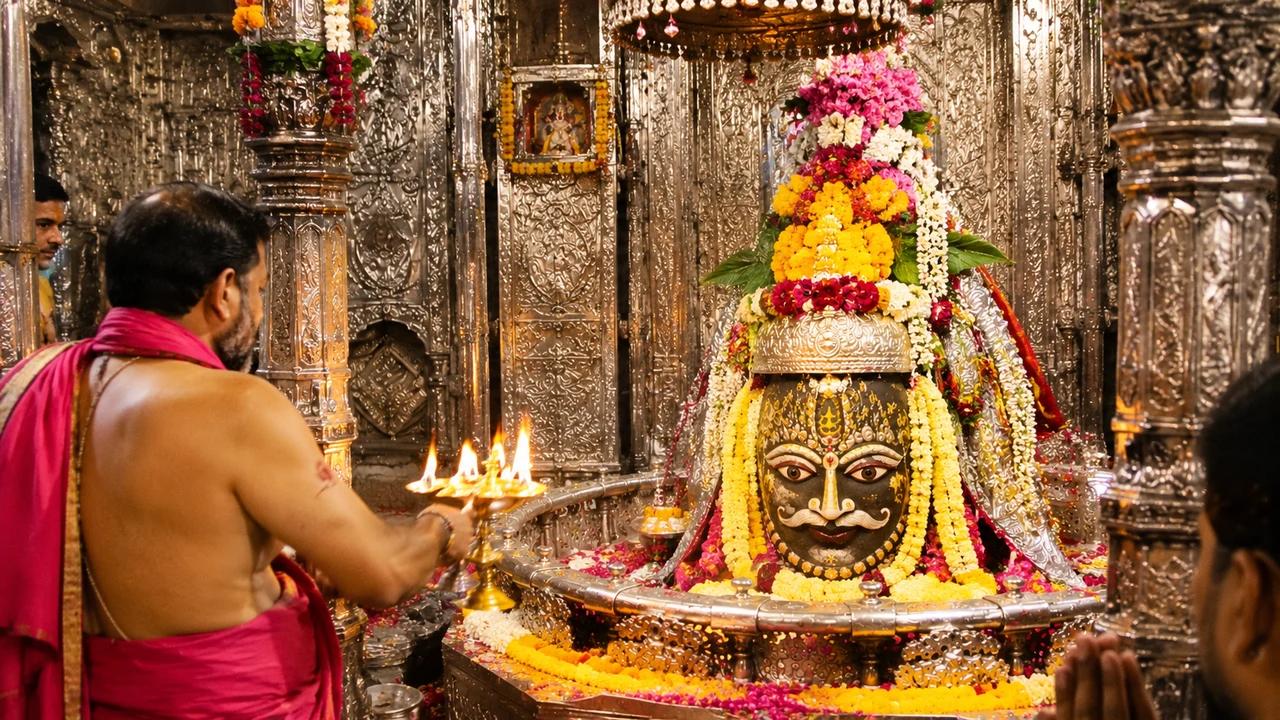
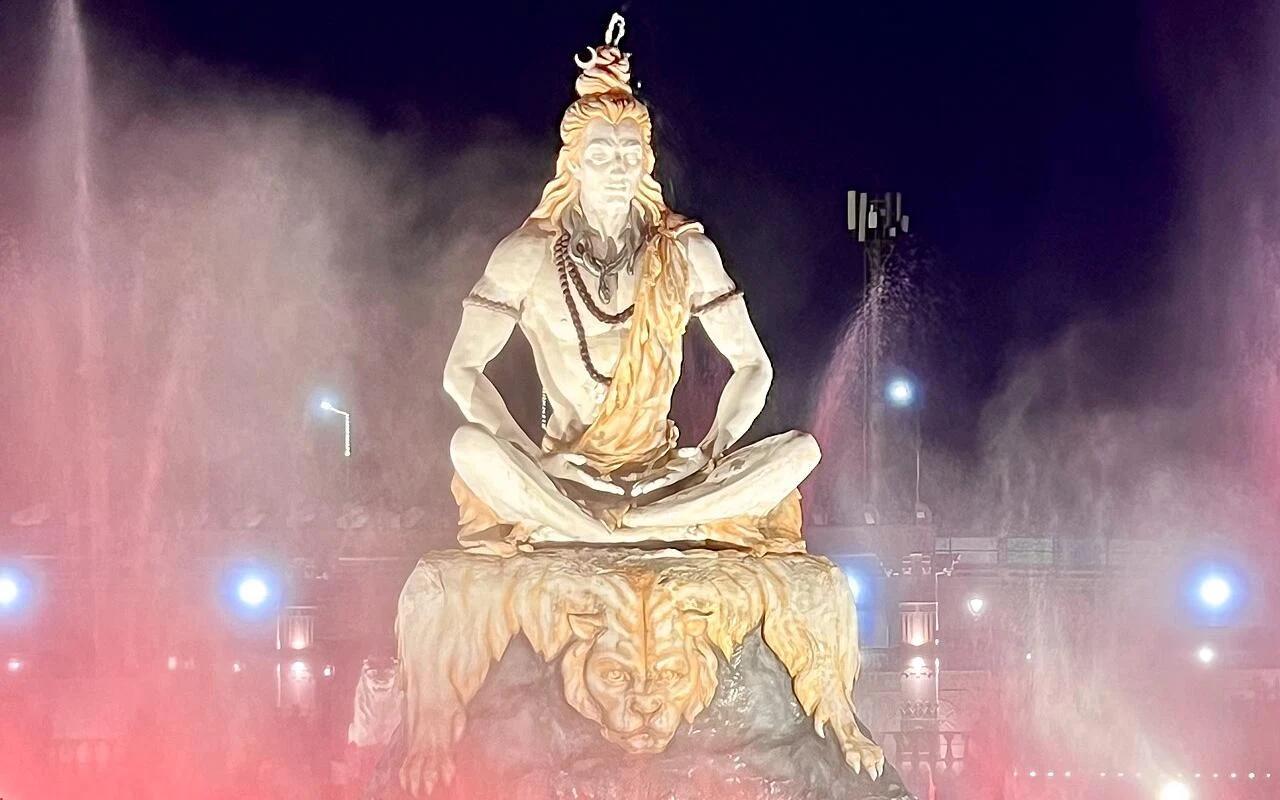
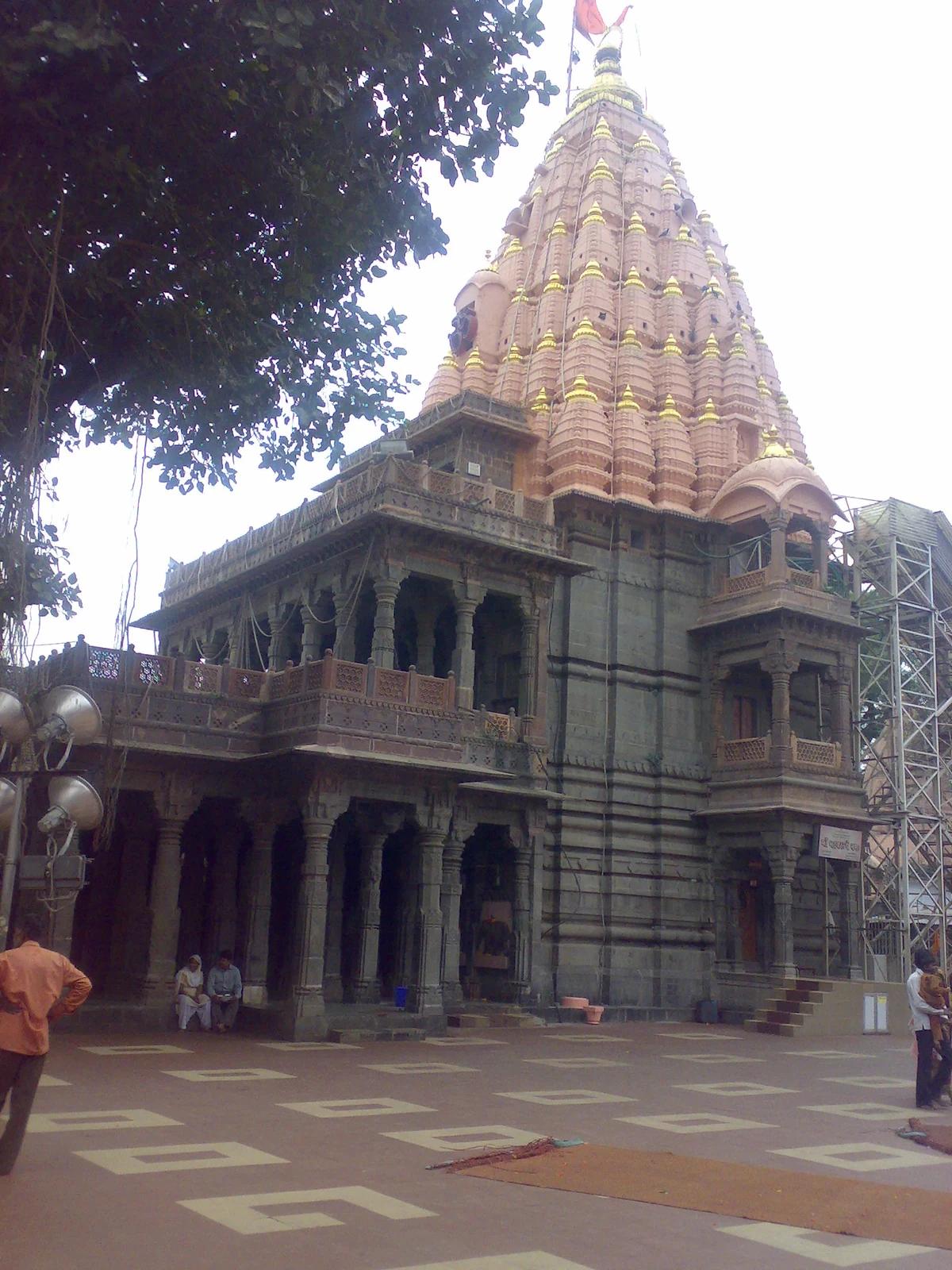
At Shri Mahakaleshwar, Shiva does not appear as an ascetic retreating into frozen Himalayan solitude, nor as a householder dwelling on Mount Kailash. Here, He presides as the absolute master of dissolution (Laya). Devotees turn to Mahakal not to seek exemption from the natural laws of impermanence, but to receive the inner strength to confront them without terror. By meditating upon the One who devours time itself, the worshipper realizes that what is subject to decay is merely the physical vessel; the underlying spirit remains untamed and eternal.
This theological foundation explains why Mahakaleshwar occupies an irreplaceable station among the twelve Jyotirlingas. While Somnath commemorates the restoration of the moon and Kashi represents illuminated wisdom, Mahakaleshwar in Ujjain stands as the sanctuary against "Akaal Mrityu"—untimely death, spiritual disorientation, and existential helplessness. To bow before Mahakal is to lay down one’s anxieties at the feet of the cosmic sovereign who was present before time began, and who will endure when all galaxies dissolve into quiet ash.
"He who conquers the fear of time has already achieved liberation in this very life."
— Traditional Agamic Contemplation on Mahakal