

Pitru Dosh Nivaran
सिद्धवट एवं रामघाट पितृ दोष शांति विधान
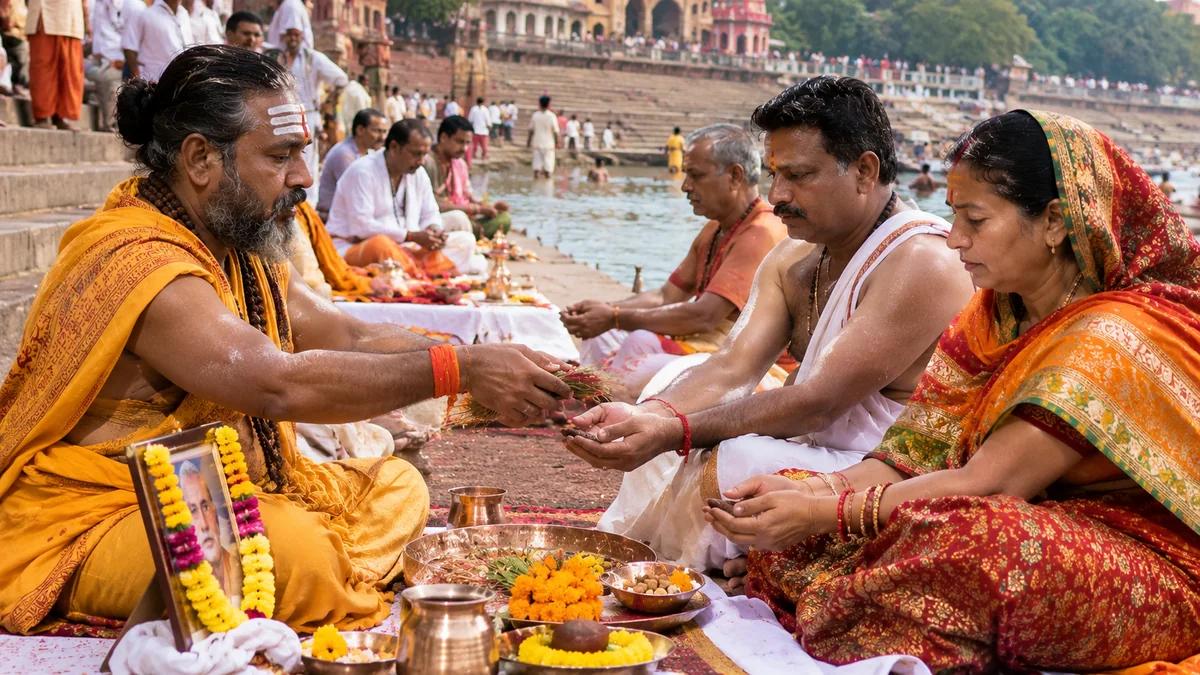
Ujjain is glorified in the Skanda Purana and Garuda Purana as one of India's three supreme Moksha Tirthas for ancestral liberation (alongside Gaya and Prayagraj), centered on the sacred Siddhwat banyan tree and Ramghat on the Kshipra river. Pitru Dosh Nivaran combines Pind Daan, Tila Tarpan, and Narayana Bali sankalp to bring peace to departed souls of three generations, resolving ancestral karmic imbalances that manifest as family discord, delays in progeny, or unexplainable financial blockages.
Siddhwat Ghat & Ramghat (Kshipra River, Ujjain)
By Arrangement*
2.0–3.0 Hours
By Arrangement
Puja Overview
Ujjain is glorified in the Skanda Purana and Garuda Purana as one of India's three supreme Moksha Tirthas for ancestral liberation (alongside Gaya and Prayagraj), centered on the sacred Siddhwat banyan tree and Ramghat on the Kshipra river. Pitru Dosh Nivaran combines Pind Daan, Tila Tarpan, and Narayana Bali sankalp to bring peace to departed souls of three generations, resolving ancestral karmic imbalances that manifest as family discord, delays in progeny, or unexplainable financial blockages.
Dosh Nivaran
Peace, Health & Well-being
All days (Subject to availability)
Temple-appointed Priests
Meaning & Significance
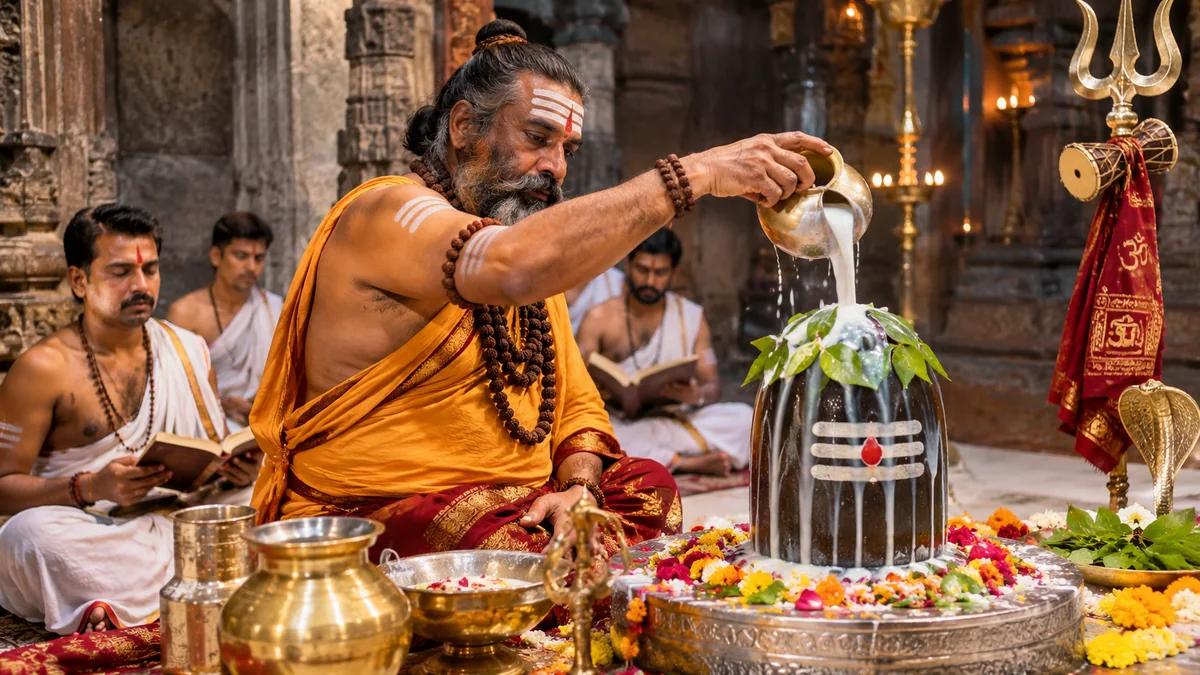
The word "Rudra" refers to a powerful form of Lord Shiva, and "Abhishek" means a sacred bathing ritual. Rudrabhishek is described in Vedic texts as a highly purifying and auspicious worship that helps in cleansing past negativities and inviting Shiva's blessings for protection, stability and harmony in life.
- Moksha Kshetra Antiquity: Mata Sita herself performed Pind Daan for Raja Dasharatha at Siddhwat in Ujjain.
- Immortal Siddhwat Banyan: One of the 4 immortal banyans of India (Vatavriksha), consecrated specifically for ancestral liberation.
- Tila Tarpan on Sacred Kshipra: The north-flowing Kshipra (Uttarvahini) possesses supreme spiritual purity for releasing karmic debts.

Vedic Shradh & Pind Daan Sequence
Kshipra Snanam & Pavitri Dharana
15 MinsHoly dip in River Kshipra, donning the Kusha ring on the ring finger, and inner centering.
Deva, Rishi & Pitru Tarpan
30 MinsOffering water with barley and black sesame seeds to deities, ancient sages, and 3 generations of ancestors with Gotra chanting.
Pind Daan at Siddhwat
45 MinsPreparing sacred pinda balls from cooked rice, barley flour, honey, and ghee, offering them with maternal and paternal Gotra mantras.
Pinda Visarjan & Cow/Crow Offering
20 MinsRespectful immersion of pindas into the flowing Kshipra waters, followed by traditional offerings to cows, crows, and dogs (Pancha Bali).
Brahmin Bhojan, Vastram & Dakshina
20 MinsHonoring the Teerth Purohit with satvik food, white clothes, and voluntary dakshina to seal the pitru sankalp.
Samagri (Puja सामग्री)
- •Cooked rice, barley flour (Jau ka atta), pure cow ghee, and honey for Pindas
- •Kusha grass rings, sacred threads (Janeu), and black sesame seeds (Kala Til)
- •White flowers, betel nuts (Supari), and earthen/copper puja vessels
- •Pancha Bali food offerings and camphor
- •List of departed ancestors (Names and Gotra of father, grandfather, great-grandfather)
- •White cotton dhoti for the performer
- •Voluntary Dakshina and grain for charity
Booking Process & Official Fees
STEP-BY-STEP BOOKING PROCEDURE
Administrative Notice: Pitru Dosh rituals are traditional Kshetra ceremonies conducted on the banks of the Kshipra river. They are NOT administered by the Shri Mahakaleshwar Temple Management Committee (SMTMC). Charges are based on private arrangement with local Vedic scholars.
Benefits of the Puja
Scriptures extol the heartfelt recitation and abhishek of Lord Shiva for calming inner turbulence, fostering familial harmony, and dissolving subtle psychological blockages. In accordance with ethical pilgrimage standards, we present these benefits as sacred devotional disciplines, without superstitious outcome guarantees.
Mental Serenity
Recitation of Rudra hymns calms chronic stress, fear, and psychological unease.
Planetary Pacification
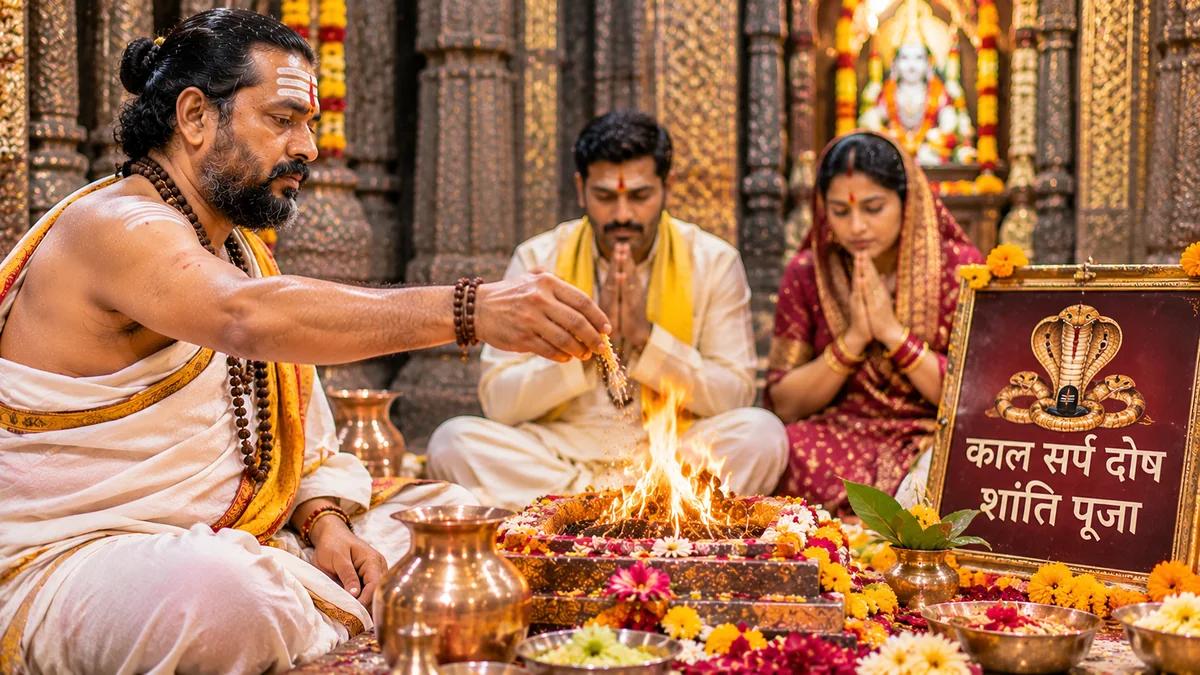
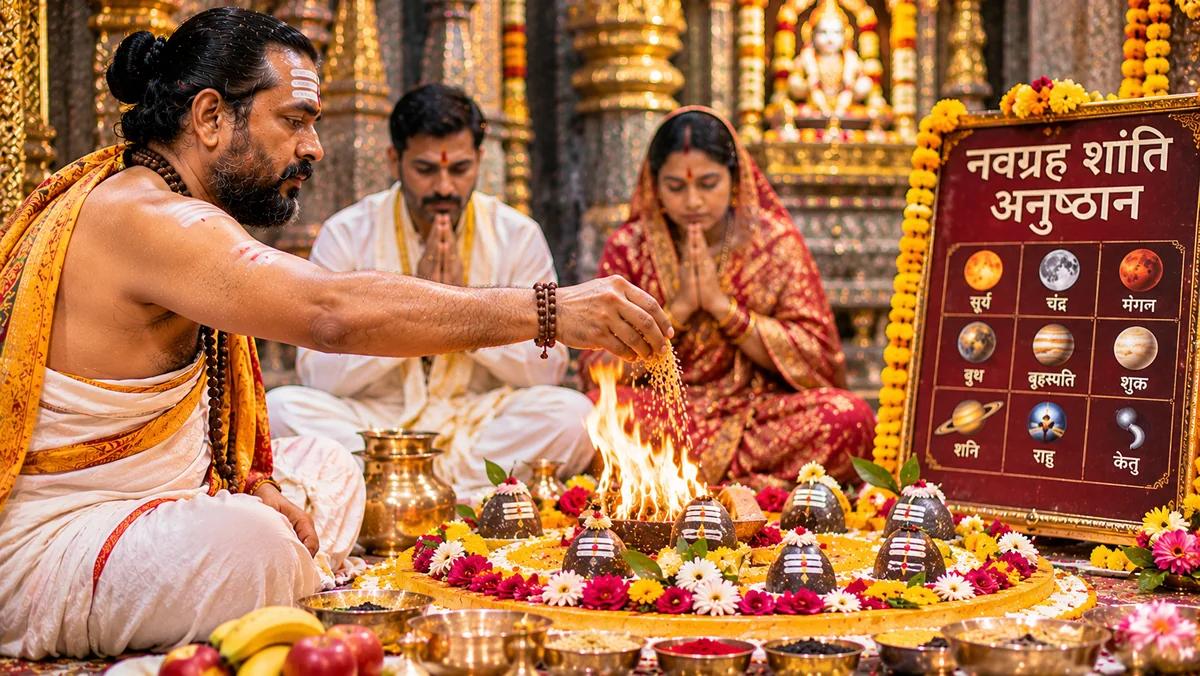
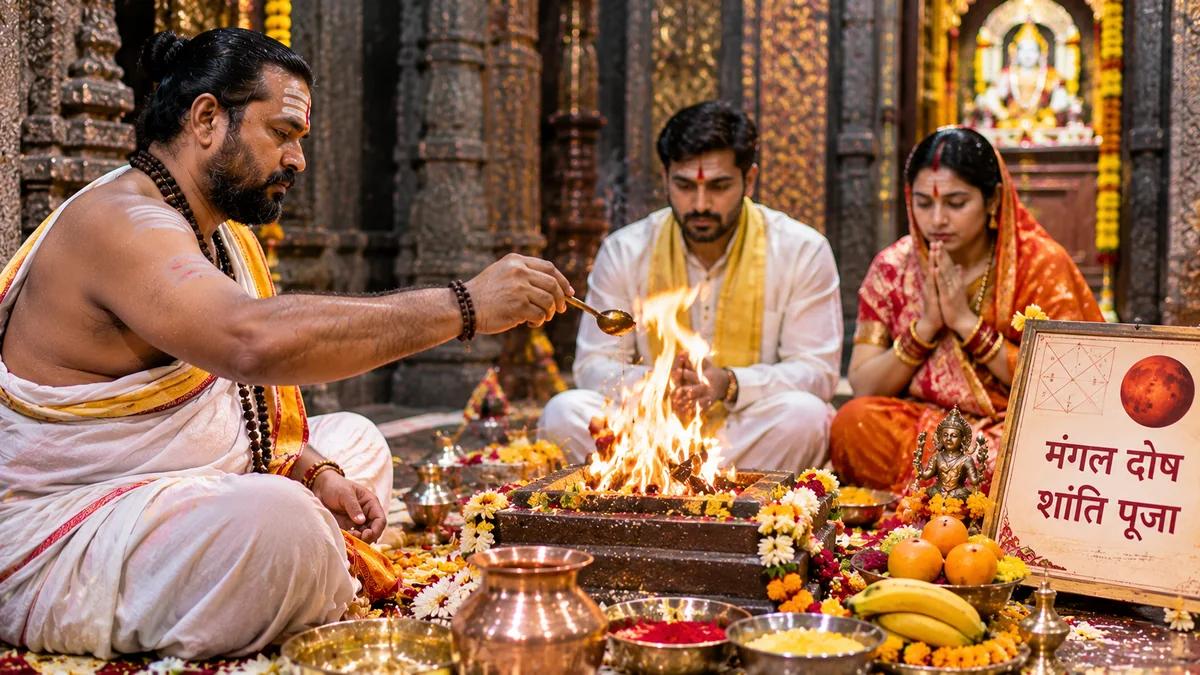
Vedic pacification harmonizes afflictions associated with Mangal, Rahu-Ketu, or Pitru lineages.
Important Guidelines & Rules
Devotees performing Tarpan must wear white cotton Dhoti without upper stitching (men); traditional Saree (women)
Direct arrival at Siddhwat Ghat or Ramghat as coordinated with your verified Teerth Purohit.
- ✕Do not consume non-satvik food or alcohol on the day of the ceremony.
- ✕Never perform Pind Daan after sunset.