


Baglamukhi Puja Benefits — Who Should Worship & Why
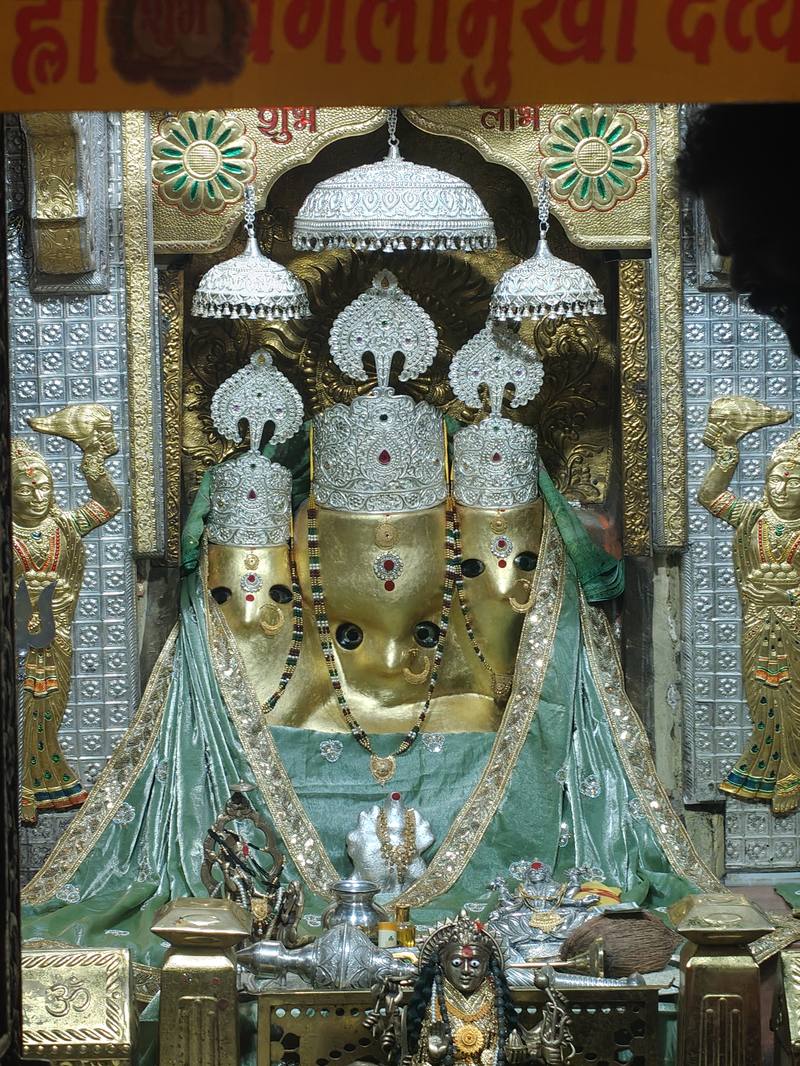
Baglamukhi Puja Benefits — Who Should Worship & Why Nalkheda Dham Temple Rituals Stay How to Reach Blog Get Guide ₹99 Home › Blog › Maa Baglamukhi Puja Benefits & Significance Spiritual Guide · Mahavidya Maa Baglamukhi Puja — Significance, Benefits & Who Should Worship By Ashwin Verma · Updated June 2026 · 10 min read Among the ten divine forms of the Mahavidyas — the tantric wisdom goddesses of the Hindu tradition — Maa Baglamukhi holds a singular and awe-inspiring place. She is known as Pitambara Devi , the goddess robed in gold and yellow, and she wields the power to stambhana — the complete stilling, paralysing, and arresting of all that is harmful, deceitful, or destructive. In an age of increasing conflicts, litigation, and adversarial competition, the wisdom of her worship has never been more sought after. This is a complete guide to understanding Maa Baglamukhi — her origin, her symbolism, the proven benefits of her puja, and the correct ways to seek her blessings. Whether you are a first-time seeker or a practitioner preparing for pilgrimage to Nalkheda, this guide will give you the depth of understanding that makes worship truly fruitful. Maa Baglamukhi — Quick Facts Position in Mahavidyas: 8th of the 10 Mahavidyas Other names: Pitambara Devi, Brahmastra Roopini, Stambhini Primary color: Yellow / Golden (Pitambara) Weapon: Gada (mace / club); holds enemy's tongue Principal abode: Haridra (turmeric) Sarovar in Saurashtra (mythological origin) Three Siddha Peethas: Nalkheda (MP), Datia (MP), Kangra (HP) Best days to worship: Tuesday, Sunday, Ashtami, Navratri, Jayanti Beej Mantra: Om Hleem Baglamukhi Namah Who is Maa Baglamukhi? Maa Baglamukhi is the eighth Mahavidya in the tantric pantheon that includes Kali, Tara, Tripura Sundari (Shodashi), Bhuvaneshvari, Bhairavi, Chhinnamasta, Dhumavati, Baglamukhi, Matangi, and Kamala. Each Mahavidya represents a distinct cosmic power and a pathway to liberation. While Kali dissolves time and Tara guides across turbulent waters, Baglamukhi's unique power is the stambhana shakti — the divine force of immobilization. The name "Baglamukhi" is decoded by scholars in two ways. The Sanskrit root Bagala (or Valga) means a bridle or a halter — something used to restrain. Mukhi means face or headed. Thus, Baglamukhi is literally "the one who seizes by the bridle" — the cosmic force that can halt an enemy's speech, thought, or action mid-stride. She is the embodiment of the divine power of arrested momentum. The Mythological Origin: How Maa Baglamukhi Manifested The primary myth of Maa Baglamukhi's appearance is found in the Devi Purana and tantric texts. In the time when creation itself was threatened by a great cosmic storm — a Vadavagni (submarine fire) unleashed by a demon — the universe faced total dissolution. The oceans rose, winds howled with destructive fury, and all beings trembled. The gods and sages prayed desperately. It was in this moment of existential crisis that Lord Vishnu performed tapasya (severe penance) on the banks of the Haridra Sarovar — the sacred lake of turmeric-yellow waters in Saurashtra. Moved by his devotion and the desperate prayers of all creation, the supreme Adi Shakti manifested from the golden waters as Maa Baglamukhi. In a single moment, she stilled the storm. The winds fell silent. The waves collapsed. The destructive fire was extinguished. The cosmos was saved. This origin story is deeply instructive: Maa Baglamukhi's primary power is the restoration of order by stopping destructive forces . She does not destroy the enemy — she immobilizes them, renders them harmless, and restores balance. This is why her worship is sought not just for conflict, but for any situation where harmful forces must be stilled. Her Form and Symbolism Maa Baglamukhi is depicted in a radiant golden-yellow form , seated on a yellow throne, wearing yellow garments and adorned with yellow flowers and ornaments. In her right hand she holds a golden mace (gada) , and with her left hand she grasps the tongue of a defeated demon who kneels before her. Sometimes the demon is shown with his tongue pulled out, unable to speak. Every element of her iconography is symbolic: Yellow/Golden color: The color of turmeric (haldi), representing auspiciousness, purity, and the stambhana power that is activated through yellow ritual objects Gada (mace) in right hand: The power to strike and disable — she can act decisively when needed Tongue of the enemy in left hand: The paralysis of speech — enemies cannot speak evil, slander, or cast spells against the devotee Yellow throne: Her dominion over the material realm; she sits in divine dominion over earthly conflicts Kneeling demon: The subdued ego, fear, and adversarial forces that bow before divine order The Primary Benefits of Maa Baglamukhi's Puja Maa Baglamukhi's worship has been sought for centuries by a wide range of devotees, from kings to common people. Her blessings operate across several domains: 1. Victory in Court Cases and Legal Battles This is perhaps the most well-known application of Baglamukhi puja in the modern age. Countless devotees travel to Nalkheda, Datia, and Kangra specifically before court dates or legal proceedings. The belief — rooted in thousands of years of tantric practice — is that her stambhana shakti paralyses the opposition's ability to argue effectively, causes witnesses to forget false testimony, and creates circumstances favorable to the righteous party. Hawan conducted at Nalkheda's 75 kunds before a critical court date is considered especially powerful by experienced practitioners. 2. Protection from Enemies and Opponents Maa Baglamukhi's primary power is the neutralization of those who wish you harm. Those facing workplace enemies, business rivals who use unfair means, neighbors engaged in property disputes, or people who slander and spread false rumors — all seek her protection. Her blessing does not harm the enemy; it simply renders their destructive actions ineffective. 3. Success in Debates, Competitions, and Examinations Students preparing for competitive examinations — UPSC, state PSC, engineering and medical entrances — routinely visit Nalkheda before their exams. Lawyers, politicians, and speakers who must debate or argue in public forums seek her blessings to strengthen their own speech and intellect while nullifying their opponents' arguments. The Maa Baglamukhi Jayanti period sees a notable influx of students and aspirants. 4. Removal of Black Magic and Negative Energies In the tantric tradition, Maa Baglamukhi is considered one of the most effective deities for removing the effects of negative rituals (black magic, jadoo-tona, nazar), curses, and evil eye. Her stambhana shakti can stop and reverse such harmful energies at the root level. 5. General Protection and Obstacle Removal For those facing persistent obstacles in career, business, relationships, or health without any apparent cause, a Baglamukhi puja is often recommended by experienced priests and sadhaks. She removes what Hindus call vighnas — obstructions placed by seen or unseen forces — and clears the path for progress. 6. Strengthening Speech and Confidence Politicians, orators, teachers, and public figures worship Maa Baglamukhi for the positive gift that accompanies her stambhana power — the enhancement of the devotee's own speech, confidence, and persuasive ability. She grants vak siddhi , the power of effective and truthful speech. The Three Principal Siddha Peethas — and Why Nalkheda is Special Maa Baglamukhi is primarily worshipped at three locations in India, each considered a Siddha Peetha — a place where her power is maximally concentrated and accessible: Maa Baglamukhi Mandir, Nalkheda, MP — Considered the most ancient peetha, with origins in the Dwapara Yuga. The temple sits on the banks of the Lakhundar River and is famous for its 75 hawan kunds — each representing a distinct shakti. Many tantric practitioners consider this the most powerful location for stambhana sadhana. Maa Pitambara Peeth, Datia, MP — Established in modern times by Swami Swaroopanand Saraswati; a large ashram complex frequented especially by politicians and people in authority-seeking roles. Bajreshwari Devi (Baglamukhi form), Kangra, HP — The mountain manifestation of Baglamukhi in the scenic Kangra Valley of Himachal Pradesh, also associated with the Shaktipeeth tradition. Nalkheda's distinction lies in its completely natural setting, ancient origins, and the practice of full hawan worship . Unlike Datia (which has an ashram-style institutional setup) or Kangra (primarily a mountain Shaktipeeth), Nalkheda is a traditional tantric peetha where hawan is the primary mode of worship — making it uniquely suited for serious seekers of Baglamukhi's stambhana power. How to Worship Maa Baglamukhi Simple Daily Worship at Home You do not need to visit a temple to establish a relationship with Maa Baglamukhi. A simple daily practice at home is both accessible and effective: Sit facing east on a yellow cloth or asana Light a ghee diya (lamp) and offer yellow flowers (marigold / genda) and haldi (turmeric) to her image or yantra Offer yellow fruit (banana or mango) as naivedya Recite the beej mantra 108 times using a haldi mala (turmeric bead rosary) if available Conclude with a simple prayer stating your intention clearly and honestly Maa Baglamukhi Mool Mantra Om Hleem Baglamukhi Sarva Dushtanam Vacham Mukham Padam Stambhaya Jivham Keelaya Buddhim Vinashaya Hleem Om Swaha Beej Mantra (Simple Daily Practice) Om Hleem Baglamukhi Namah Full Hawan at Nalkheda — The Most Powerful Method The full hawan at Nalkheda's 75 kunds, conducted by trained temple priests with proper Vedic procedure, is widely regarded as the most potent way to invoke Maa Baglamukhi's stambhana shakti for a specific purpose. To arrange this, book your hawan kund slot in advance through the official temple website at mabaglamukhi.com or consult our travel guide for step-by-step booking instructions. During Navratri, slots can fill within days of opening. Dress Code and Ritual Protocol The color yellow is not merely decorative in Baglamukhi worship — it is ritually essential. Yellow (or golden) clothing is considered mandatory for worship at Maa Baglamukhi's temple and for home puja on auspicious days. This is why she is called Pitambara Devi — Pita (yellow) + Ambara (garment). Wearing yellow activates the vibrational connection to her energy. If a full yellow outfit is not possible, at minimum a yellow dupatta, stole, or shawl should be worn. Best Days to Worship Tuesday: Her primary weekday (Mangalvaar) Sunday: Also auspicious for Baglamukhi puja Ashtami: 8th day of each lunar fortnight — particularly powerful Navratri (both Chaitra and Sharad): The 9-day worship period when her energy is most accessible Baglamukhi Jayanti: Her divine birthday — the most auspicious single day of the year for her worship What NOT to Do on Puja Day Do not consume non-vegetarian food or alcohol on the day of worship Do not worship with an impure body or impure mind filled with anger, lust, or greed Do not perform this puja with a trivial or harmful intention — her power is immense and must be approached with sincerity and dharmic purpose Leather items (belts, shoes, handbags) should not be brought inside the temple sanctum Women during menstruation traditionally do not participate in hawan but may certainly pray and visit the temple outer premises Maa Baglamukhi and the Other Mahavidyas Understanding Baglamukhi within the Mahavidya framework deepens the appreciation of her unique role. The 10 Mahavidyas represent the complete spectrum of Adi Shakti's divine power: Kali (time and transformation), Tara (guidance through the void), Tripura Sundari (supreme beauty and bliss), Bhuvaneshvari (space and creation), Bhairavi (fiery power of tapas), Chhinnamasta (self-sacrifice and awakening), Dhumavati (the power of absence and widowhood), Baglamukhi (stilling and paralysis of evil), Matangi (inner speech and outcast wisdom), and Kamala (abundance and material grace). Baglamukhi's placement as the 8th Mahavidya is significant. In numerology and tantra, 8 represents the number of dissolution — the moment before completion — making her the force that arrests cycles of harmful karma before they can reach their destructive conclusion. Ready to Visit Maa Baglamukhi at Nalkheda? Our complete ₹99 PDF travel guide includes a puja samagri checklist, hawan booking guide, hotel list, and a printable mantra card for your Nalkheda yatra. WhatsApp to Get Guide ₹99 Book Hawan at Nalkheda More Nalkheda Guides Navratri at Nalkheda 2026 — Dates & Planning Guide Nalkheda vs Datia vs Kangra — Which Temple to Visit? Indore to Nalkheda Distance & Route Guide Complete Nalkheda Yatra Packing Checklist Maa Baglamukhi Nalkheda Dham nalkheda.in | WhatsApp: +91 92967 97899 | ashwinv49@gmail.com Home Temple Info Rituals & Hawan Hotels & Stay How to Reach Blog Privacy Policy Contact An independent travel guide. Not affiliated with the official temple management committee. For official Hawan booking visit mabaglamukhi.com · Made with devotion in Madhya Pradesh © 2026 nalkheda.in. PDF purchase proceeds support independent content creation. 📄 Guide ₹99 💬 WhatsApp 📞 Call Us
Need Guidance for Your Pilgrimage?
Contact our verified ground concierge in Nalkheda for live temple updates, Hawan booking, taxi pickups from Ujjain or Indore, and clean hotel recommendations.
Ask Temple Concierge on WhatsApp